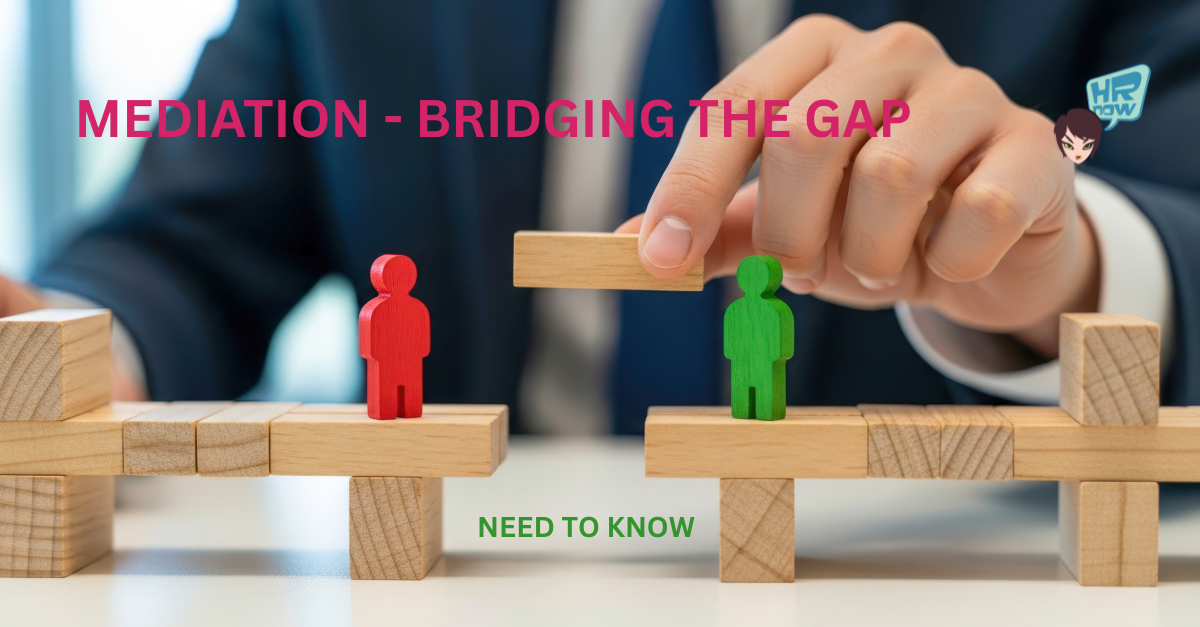
What mediation really is (and isn’t)
Mediation is a confidential, structured conversation facilitated by an independent, trained mediator. Its purpose is not to decide who is right or wrong, impose outcomes, or create winners and losers.
It is about helping people be heard, understand each other’s perspectives, and find a way forward that feels workable and dignified for everyone involved.
Crucially, mediation is voluntary. People choose to engage, which is why outcomes tend to stick.
Why mediation works
Mediation often succeeds where formal processes struggle because it focuses on resolution, not blame.
It allows individuals to speak openly in a safe setting, without the pressure of disciplinary rules or Tribunal tests. Issues that might never surface in a formal hearing, tone, assumptions, relationship dynamics, can be acknowledged and addressed.
From a commercial perspective, mediation can:
- stop issues escalating into grievances or claims
- reduce sickness absence and resignations linked to stress or conflict
- preserve or strengthen working relationships, particularly in small teams
- save significant management time, legal cost and emotional energy
In short, it helps organisations move forward, rather than getting stuck managing fallout.
When mediation is particularly effective
Mediation works well in situations involving:
- relationship breakdowns between colleagues
- manager/employee tensions
- conflict following restructures or organisational change
- communication issues that have become personalised
- early signs of grievance or disengagement
It can also run alongside formal processes, or pause matters while parties attempt resolution.
Why timing matters
One of the biggest mistakes employers make is waiting too long. Once positions harden and legal language takes over, people tend to defend rather than resolve.
Early mediation often feels simpler, calmer and more constructive. It demonstrates maturity in leadership and sends a strong message that issues are taken seriously, but handled proportionately.
A final thought
Most employers don’t want conflict. Most employees don’t either. Mediation provides a structured space for difficult conversations to happen earlier, calmly and constructively, often preventing far more damaging outcomes later on.
Sometimes, mediation is all it takes.
How HR Now approaches mediation
At HR Now, we see mediation not as a “last resort”, but as a smart, early intervention tool that helps people reset conversations before problems become grievances or claims.
Our mediation services are practical, neutral and outcome‑focused. We understand Jersey workplaces, the realities of managing small teams, and the importance of confidentiality and trust.
We work with parties before, during and after mediation to:
- ensure everyone feels safe and properly prepared
- facilitate open but respectful dialogue
- explore realistic options for moving forward
- help organisations embed learning and prevent repeat issues
Interested in exploring mediation?
If you’d like an informal, no‑obligation chat about whether mediation could help in your organisation, get in touch with HR Now at becky@hrnow.je. We have lots of success stories we can share. Becky Hill is a CEDR accredited mediator and Tony Riley is an ACAS certified mediator.